
Global Intervention Group brings life-saving rescue technology within reach of those escaping human trafficking, domestic violence, and homelessness — and works with lawmakers to protect it. Behind every statistic is a name. Behind every name, a life waiting to begin again.

Rescue tracking equipment in public transportation hubs gives victims a safe way to be found. Our legislation protects that lifeline — and Utah has shown the whole country it can be done.
Utah
✦ Signed into law · March 2026The Rescue Tracking Equipment Offense Amendments passed the Utah Legislature without a single vote in opposition — protecting the rescue equipment that helps victims reach safety.
Georgia
In progressWe're working alongside Georgia legislators to bring the same protections to victims across the state, modeled on Utah's unanimous success.
California
In progressConversations are active in California, working toward legislation that safeguards rescue equipment in the nation's largest transit systems.
And this is only the beginning — we've identified legislative champions in all 50 states, with a federal effort taking shape. Follow our progress →
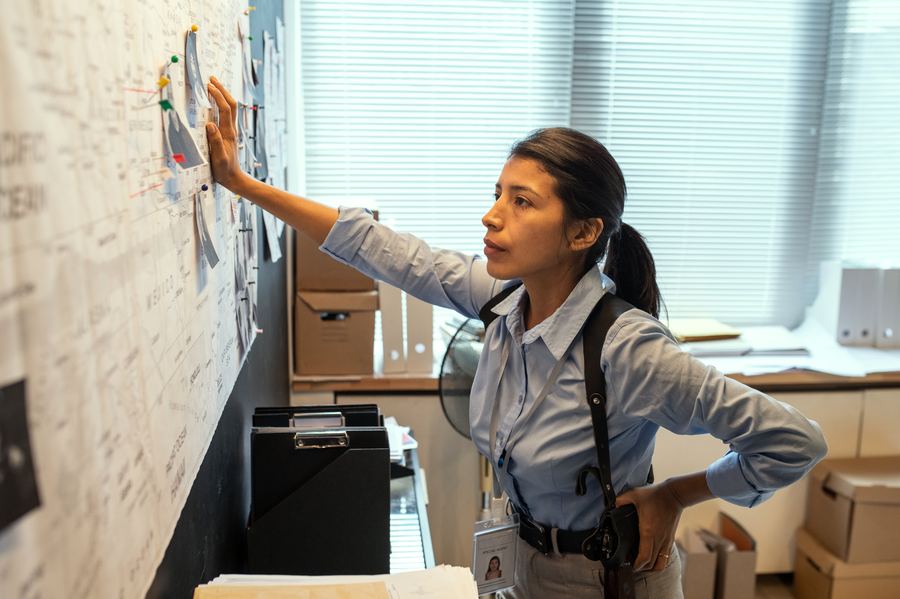
We act swiftly and strategically to help identify, reach, and rescue victims of human trafficking, domestic violence, and kidnapping — with care in every step.

We prioritize the safety, dignity, and recovery of every individual we serve — providing tools and support for long-term healing.
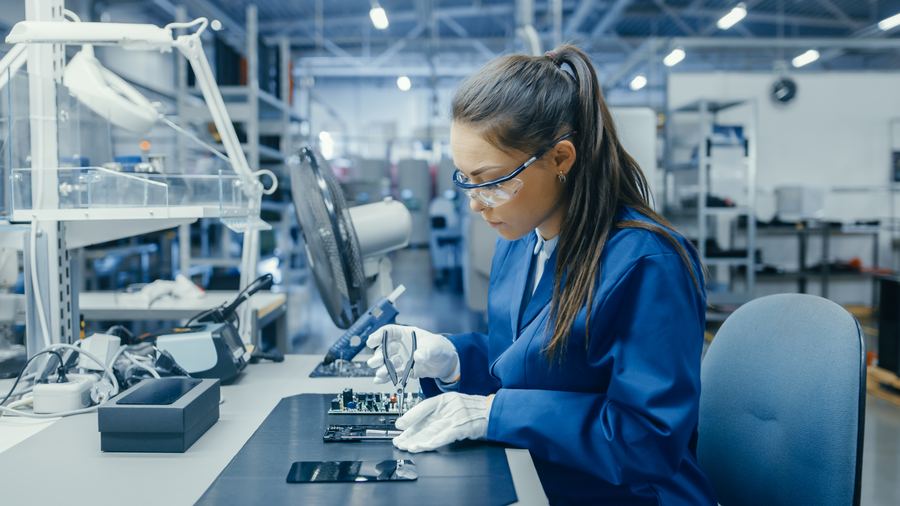
We develop scalable, tech-enabled solutions that empower communities, strengthen law enforcement response, and raise global awareness.

"Behind every statistic is a name. Behind every name, a life waiting to begin again."
An estimated 27.6 million people are affected by human trafficking worldwide. Most victims are women and girls. Every one of them deserves a way home.
Our GPS rescue technology is placed where victims in transit can quietly reach it — a gentle, dependable way to be found and brought home safely.
Real-time location helps responders reach a victim quickly and safely.
Multiple layered networks keep the signal alive, even where one alone would fail.
Thanks to Utah H.B. 354, tampering with this rescue equipment is now a crime.


Every gift helps place rescue technology where victims can reach it, and helps pass the laws that protect them. Global Intervention Group is a 501(c)(3) nonprofit — donations are tax-deductible.
Give hope today